- Home
- Past Conferences
- 7th DNA Repair/Replication Structures & Cancer Conference
7th DNA Repair/Replication Structures & Cancer Conference
#DRRSC26
24 Feb - 28 Feb 2026
Playa Mujeres, Mexico
-
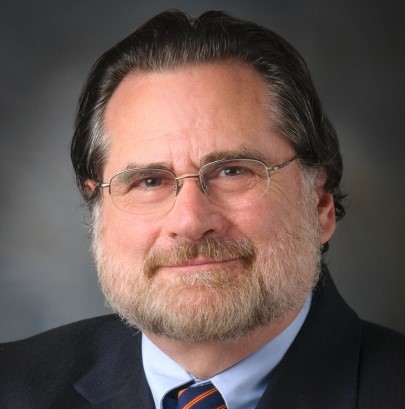
John Tainer
MDACC
-
Xiaodong Zhang
Imperial College London / Francis Crick Institute
Early Bird - Expired • Talk Submission - Expired • Poster Submission - Expired • Registration & Payment Deadline - Expired
Synopsis
IMPORTANT NOTICE: Registration prices are tied to a specific hotel room category and secured only once your balance is paid in full. As hotel availability decreases, registration prices may increase if reassignment to another room category is required. We encourage prompt registration and full payment to secure your place at the current price. Please reach out to us if you have any questions.
This is a transformative time in cancer research and its impacts on advanced therapies. Basic knowledge of DNA Damage Reponses (DDR) and their functional integration with the therapeutically relevant immune responses are fundamentally advancing cancer biology and medicine. Besides being classified by tissue origins, cancers are increasingly being understood at the cellular and molecular level, allowing effective targeting with synthetic lethality for precision oncology. Precision therapies offer the potential for enhanced efficacy with reduced toxicities but come with the major challenge of preexisting or developed resistance. Clinically, most of the resistance to DDR inhibitors arises from the restoration of DNA repair pathways through reversion mutants or rewiring the DDR network. It is increasingly clear that DDR regulation and repair pathway choices drive therapeutic sensitivity and resistance responses. These findings underscore the critical need to develop actionable structural and mechanistic knowledge, spanning from nanoscale of individual enzymes to the mesoscale of regulated protein-complexes and their network responses.
Recent breakthroughs in experimental methodologies (particularly cryo electron microscopy, electron tomography, mass spectrometry, X-ray scattering, and single-molecule biophysical techniques) have enabled the studies of increasingly complex and dynamic biological systems. These cutting-edge tools enable the integration of in vitro and in situ studies to reveal the detailed mechanisms underpinning cellular processes. Furthermore, the rapid evolution of artificial intelligence (AI) and its expanding applications in structural and mechanistic investigations are driving the field toward the integration of atomic-level structural data with physiological outputs. These advances present game-changing opportunities that enable us to tackle increasingly complex and challenging scientific problems, while also requiring fresh approaches.
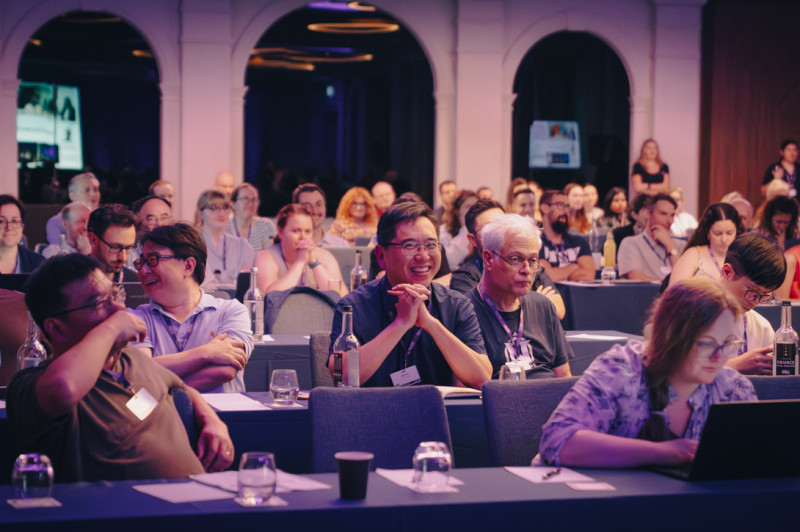
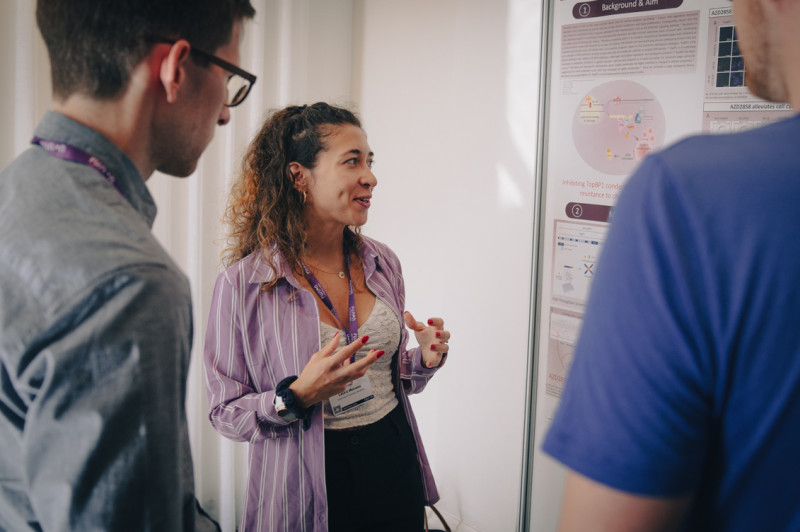
The 7th DNA Replication/Repair Structures & Cancer Conference (7th DRRSC) on 24-28 February 2026 will bring together scientists from diverse fields to exchange cutting-edge research findings and stimulate new ideas and approaches to address the critical challenges in cancer research. Furthermore, due to the current challenging funding landscape, it is critical to form partnerships of creative talent to address large-scale problems efficiently. The meeting is designed to optimize opportunities for productive discussion, interaction, and collaboration. Conference talks and discussions will center on developing actionable mechanistic knowledge of DNA replication, transcription and repair stress responses and their inflammation impacts suitable to guide cancer research and intervention. A focus will be on leveraging the synthetic lethality concept for DDR defects. Talks will include emerging basic and clinical findings, cutting-edge trans-disciplinary methodologies and structural and mechanistic insights for dynamic complexes. The vibrant discussions and exchange of ideas will catalyze productive collaborations and offer new insights that will support research both within and between individual labs as well as across the broader scientific community.
What makes this meeting unique?
Professor Ben Van Houten from the University of Pittsburgh says: “I can honestly say your meeting, by combining hard core structure-function studies with beautiful biology, hits an important area that many meetings miss; being part of that science is just terrific.”
Professor John Tainer from the University of Texas MD Anderson Cancer Centre says: “Most participants contribute unpublished data and powerful discussions that identify and fill knowledge gaps with game-changing insights that make me want to stand up and cheer.”
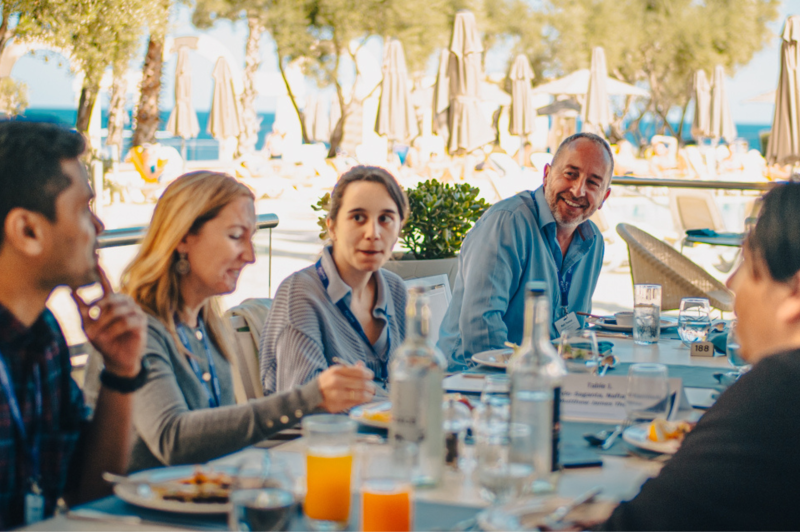
Dr. Susan Tsutakawa from Lawrence Berkeley National Lab says: "This is my favorite meeting where every talk is directed at mechanisms in DNA replication and repair. The talks really inform me on what mechanisms are being considered, particularly those outside my immediate favourite pathway. Every breakfast, lunch, and dinner allow you to talk and propose problems that you haven't fully understood. You get the American, European, and Asian science coming together.”
Plenary Speaker
Johannes Walter (Harvard Medical School)
COPING WITH OBSTACLES DURING DNA REPLICATION
Rising Star Plenary Speakers
Joanna Loizou (Institute of Cancer Research)
SYNTHETIC LETHALITY AND RESISTANCE MECHANISMS IN CANCER
Katharina Schlacher (MDACC)
CONTROLLING MITOCHONDRIAL AND NUCLEAR DNA REPLICATION INSTABILITY IN CANCER AND THERAPY
Confirmed Invited Speakers
David Barford (MRC-LMB, Cambridge)
UNDERSTANDING KINETOCHORE MECHANISMS FROM STRUCTURES OF IN VITRO-RECONSTITUTED COMPLEXES AND cryo-ET OF NATIVE COMPLEXES
Simon Boulton (Francis Crick Institute)
SLFN11 RESTRICTS ESCAPE FROM REPLICATIVE CRISIS TO PREVENT ALT
Karlene Cimprich (Stanford University)
NEW MECHANISMS FOR THE MAINTENANCE OF GENOME STABILITY AT THE REPLICATION FORK
Brandt Eichman (Vanderbilt University)
MECHANISMS OF REPLICATION FORK REVERSAL
Karl-Peter Hopfner (University of Munich)
STRUCTURAL MECHANISM OF THE Mre11-Rad50-Nbs1 COMPLEX IN DNA DOUBLE-STRAND BREAK REPAIR
Maria Jasin (Memorial Sloan Kettering Cancer Center)
REGULATING HOMOLOGOUS RECOMBINATION
Susan Lees-Miller (University of Calgary)
ARTEMIS: A MULTIVALENT HUB FOR DSB REPAIR
Georges Mer (Mayo Clinic)
MECHANISMS OF UBIQUITIN SIGNALING IN DNA DAMAGE REPAIR
Jo Morris (University of Birmingham)
NEW BRCA-PARTNERS
Mark O'Connor (AstraZeneca)
John Pascal (University of Montreal)
PARP FAMILY ENZYMES IN DNA DAMAGE SIGNALING AND REPAIR
Lori Passmore (MRC-LMB, Cambridge)
MECHANISTIC STUDIES OF DNA CROSSLINK REPAIR
Anna Pluciennik (Thomas Jefferson University)
CROSSTALK BETWEEN DNA REPAIR SYSTEMS IN GENOME INSTABILITY
Arnab Ray Chaudhuri (Erasmus University Medical Center)
MODULATING RAD51 DYNAMICS IN CHEMORESISTANCE
Susan Rosenberg (Baylor College of Medicine)
SINGLE-STRANDED ENDOGENOUS DNA DAMAGE WHERE RNAS END
Eli Rothenberg (New York University)
STRUCTURAL DISSECTION OF BRCA2 MUTATIONS AND RAD51 FILAMENTS: IMPLICATIONS FOR CANCER ONSET AND THERAPEUTIC OUTCOMES
Jessica Tyler (Weill Cornell Medicine)
EXTENDING LIFESPAN BY IMPROVING DNA DOUBLE-STRAND BREAK REPAIR
Bennett Van Houten (University of Pittsburgh)
MEASURING THE DYNAMICS OF DNA REPAIR PROTEINS WITH DNA LESIONS AND NUCLEOSOMES AT THE SINGLE MOLECULE LEVEL
Helen Walden (University of Glasglow)
TARGETTING USP1-UAF1 ACTIVITY IN THE FANCONI ANEMIA PATHWAY
Steve West (Francis Crick Institute)
DNA REPAIR PROTEINS: STRUCTURES AND FUNCTIONS
Scott Williams (NIH)
STRUCTURE AND FUNCTION OF DNA HELICASES REGULATING NEURODEGENERATIVE DISEASE AND VIRAL REPLICATION
Gijs Wuite (Vrije Universiteit Amsterdam)
UNRAVELLING THE MECHANICS AND STRUCTURE OF WHOLE MITOTIC CHROMOSOMES
Ruiming Xu (Institute of Biophysics)
MECHANISM OF REPLICATION-COUPLED RETROELEMENT INSERTION
Wei Yang (NIH)
HARMONY IN DNA REPAIR: COORDINATED PROTEIN AND DNA MOVEMENTS
Timothy Yap (MDACC)
NOVEL CLINICAL STRATEGIES IN TARGETING SYNTHETIC LETHALITY: CURRENT SUCCESSES AND CHALLENGES
Xiaolan Zhao (Memorial Sloan Kettering Cancer Center)
MECHANISMS OF Smc5/6-BASED GENOME MANAGEMENT
AstraZeneca has provided a sponsorship grant towards this independent programme.
Confirmed Speakers
Plenary Speakers

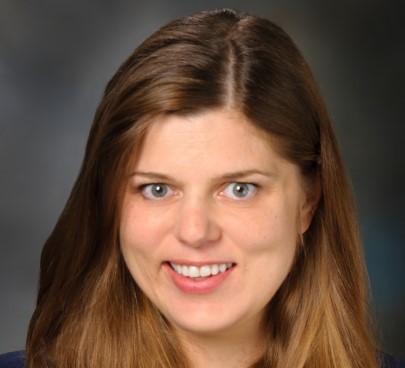
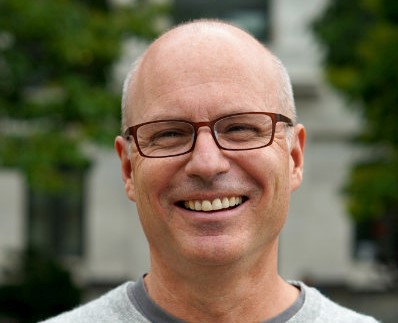
Invited Speakers
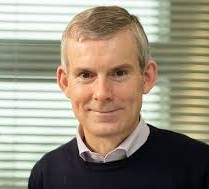
David Barford
MRC-LMB, Cambridge
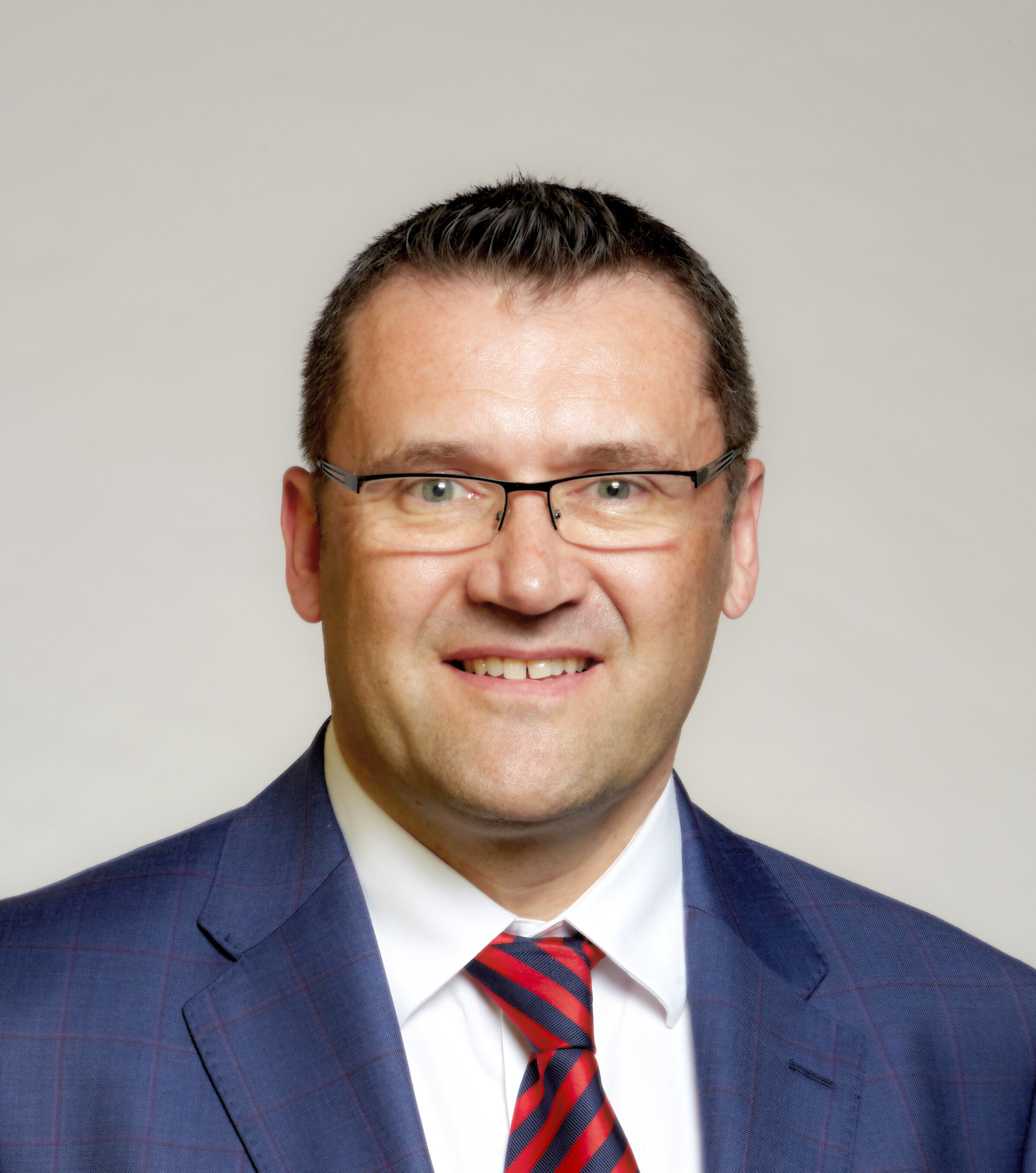
Simon Boulton
Francis Crick Institute
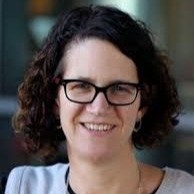
Karlene Cimprich
Stanford University
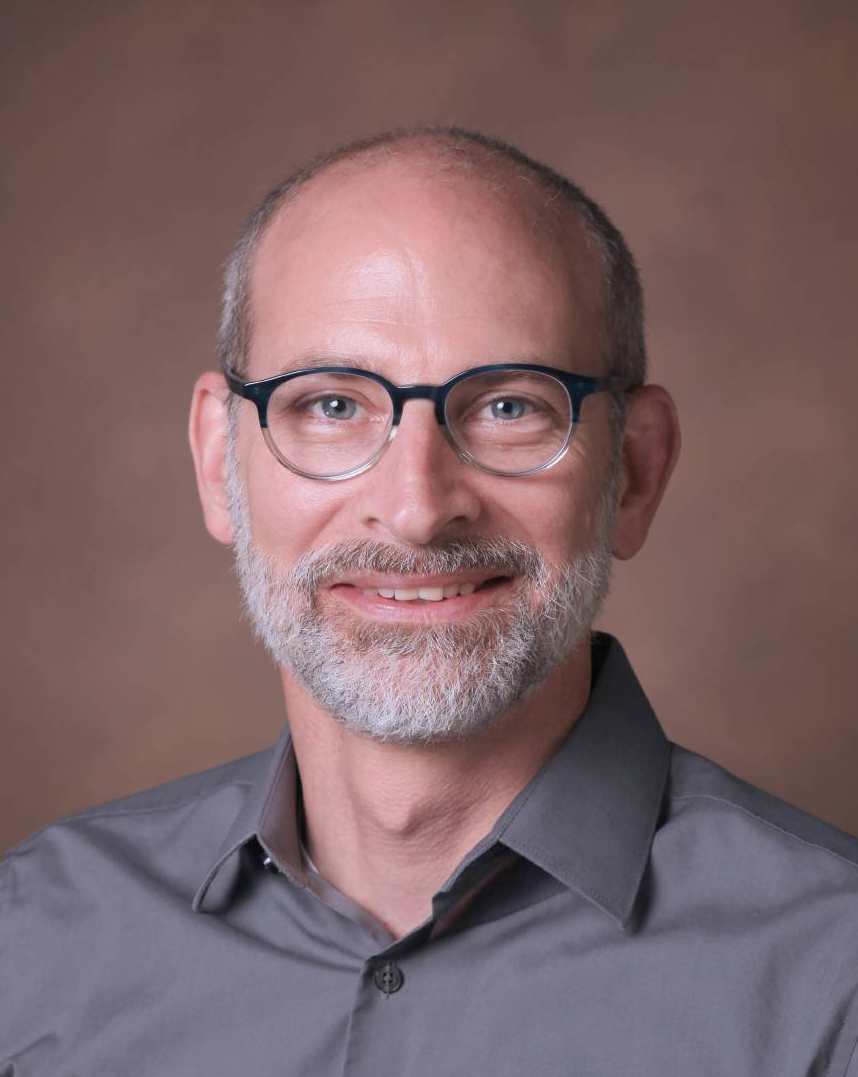
Brandt Eichman
Vanderbilt University
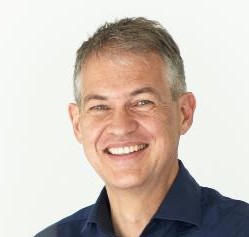
Karl-Peter Hopfner
University of Munich
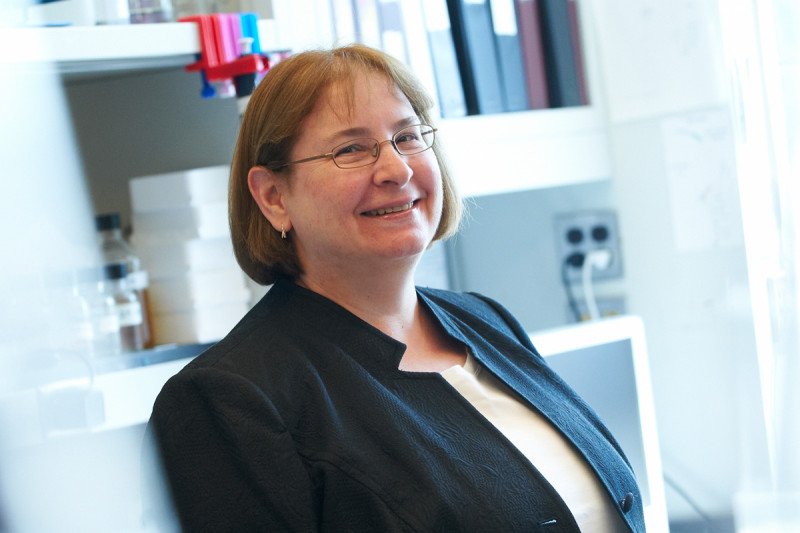
Maria Jasin
Memorial Sloan Kettering Cancer Center
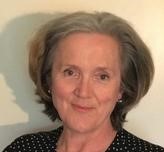
Susan Lees-Miller
University of Calgary
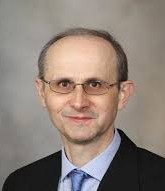
Georges Mer
Mayo Clinic
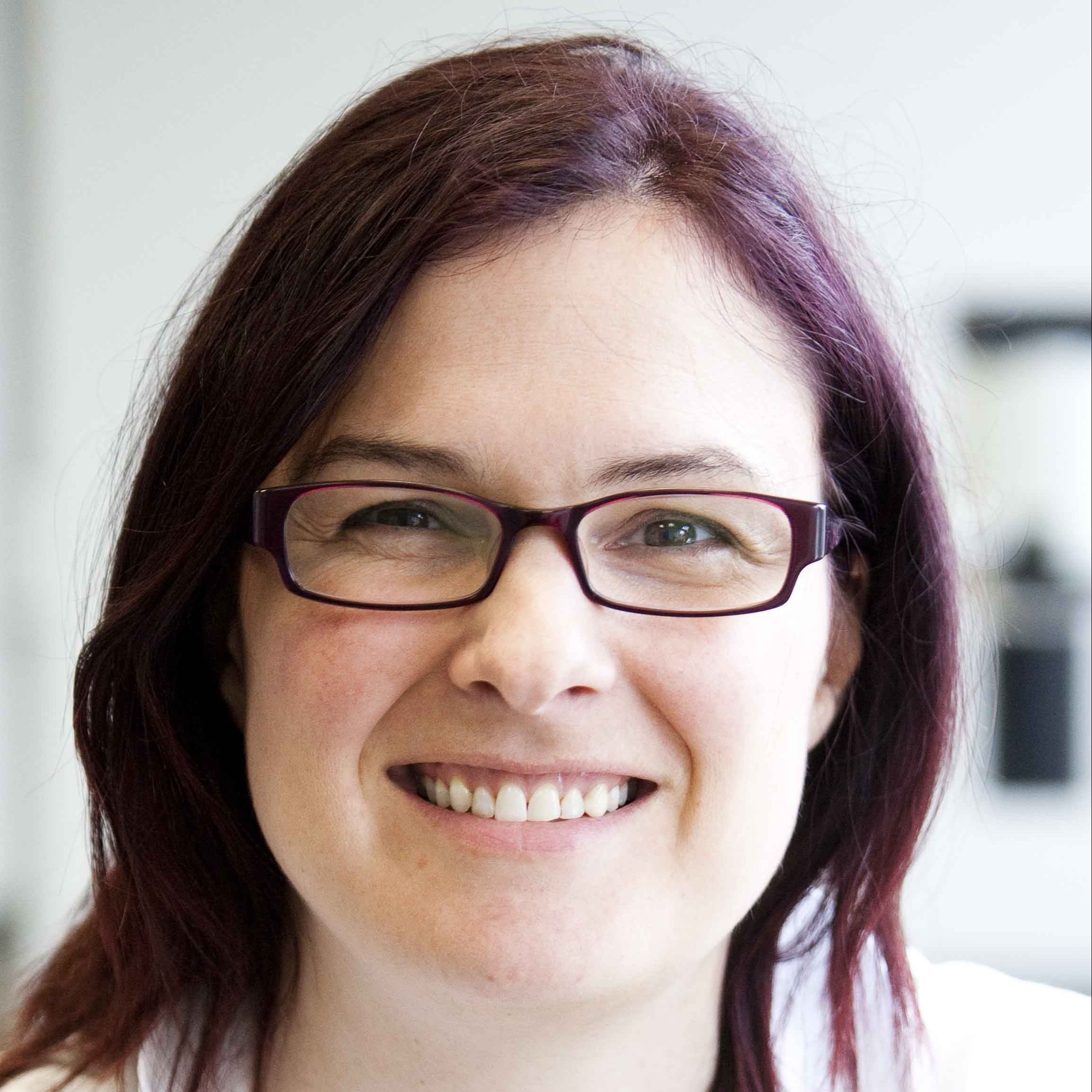
Jo Morris
University of Birmingham
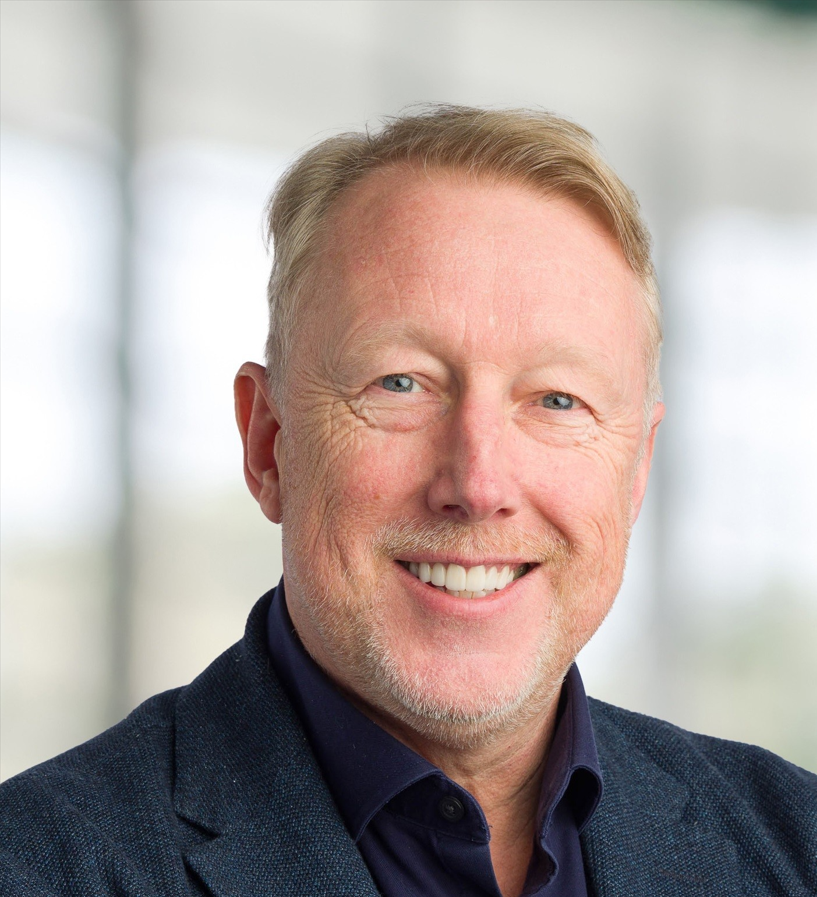
Mark O'Connor
AstraZeneca
John Pascal
University of Montreal
Lori Passmore
MRC-LMB, Cambridge
Anna Pluciennik
Thomas Jefferson University
Arnab Ray Chaudhuri
Erasmus University Medical Center
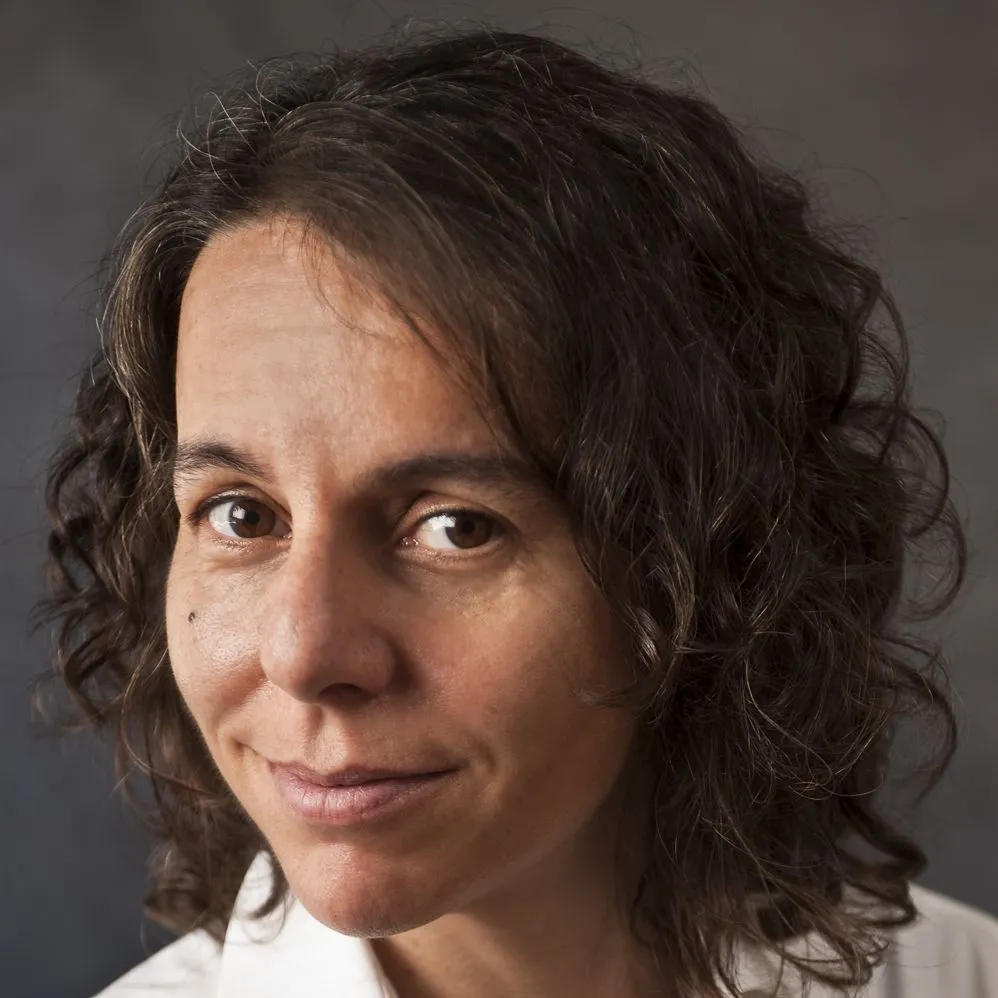
Susan Rosenberg
Baylor College of Medicine
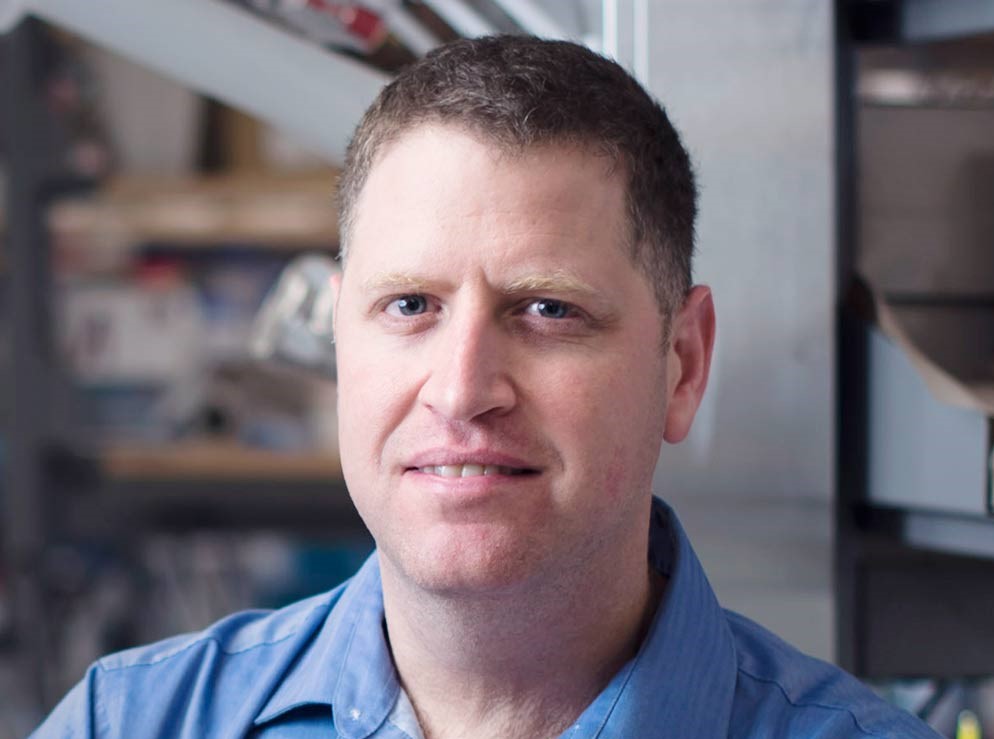
Eli Rothenberg
New York University
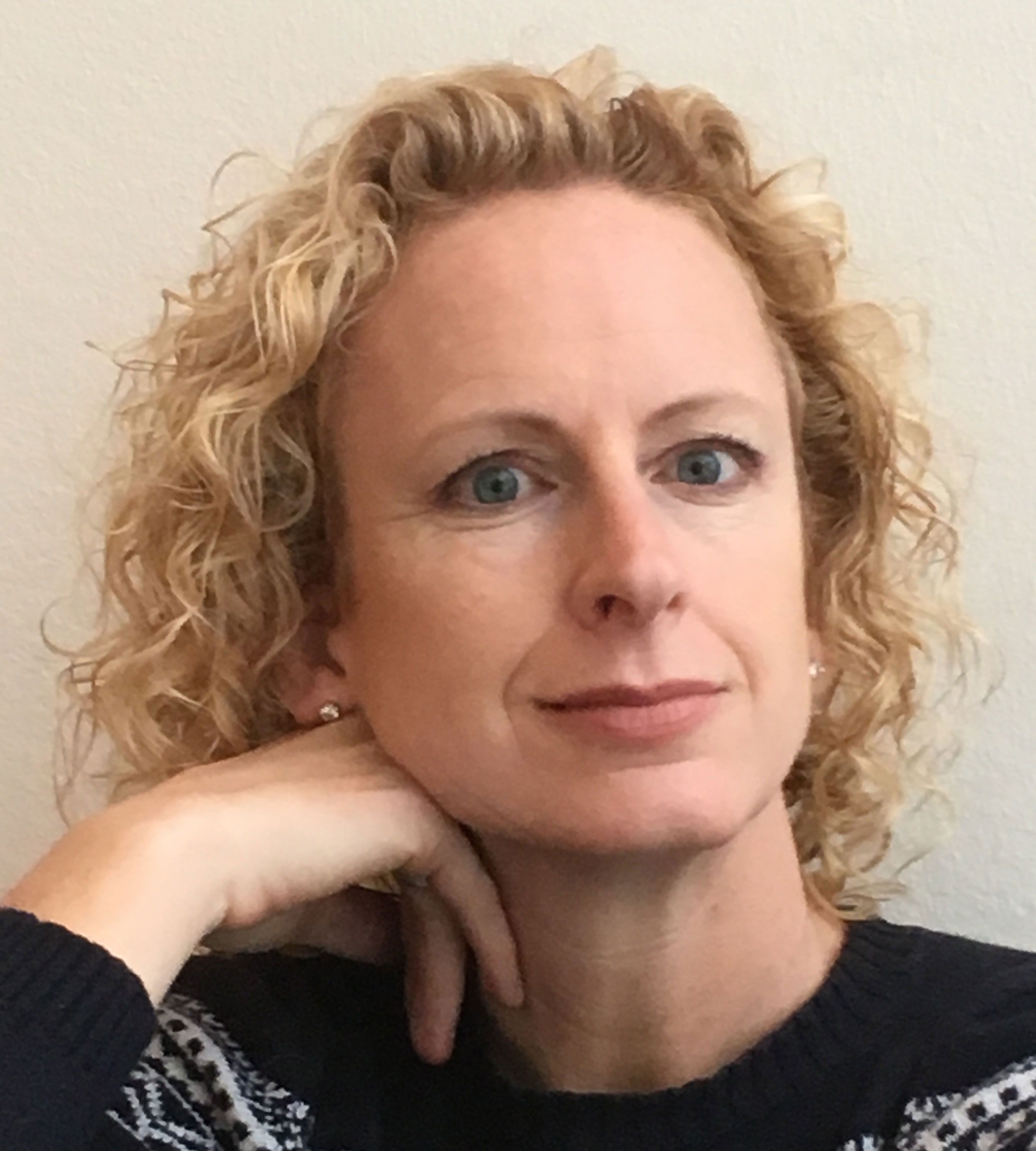
Jessica Tyler
Weill Cornell Medicine
Bennett Van Houten
University of Pittsburgh
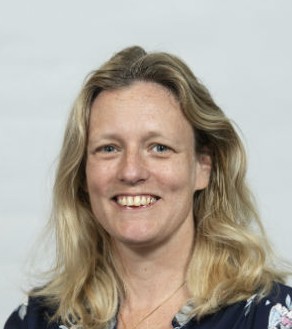
Helen Walden
University of Glasglow
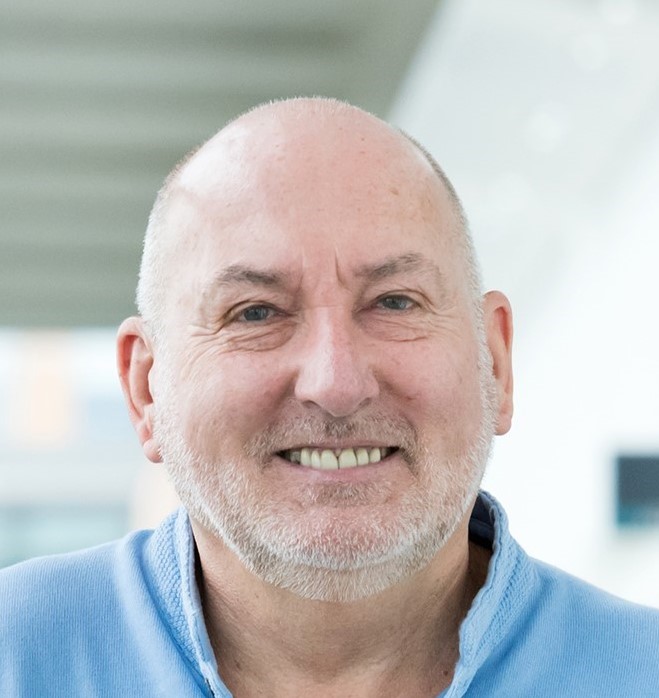
Steve West
Francis Crick Institute
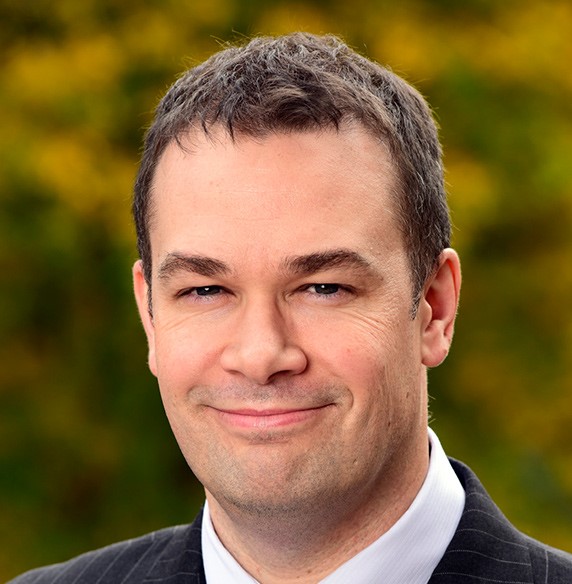
Scott Williams
NIH
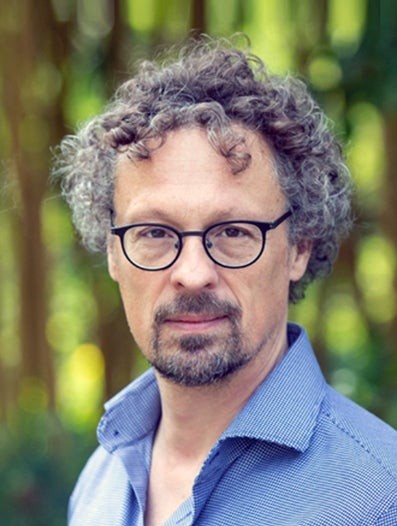
Gijs Wuite
Vrije Universiteit Amsterdam
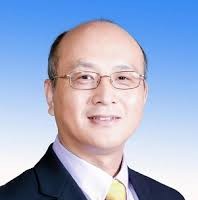
Ruiming Xu
Institute of Biophysics

Wei Yang
NIH
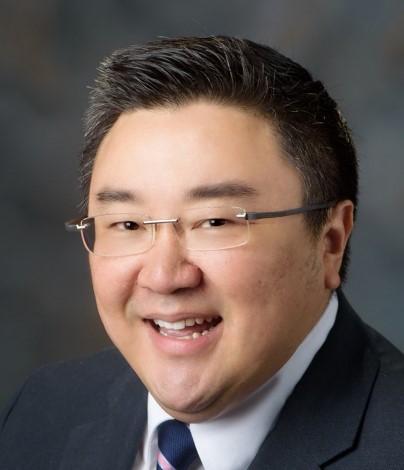
Timothy Yap
MDACC
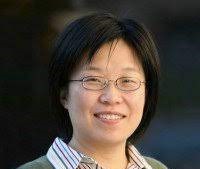
Xiaolan Zhao
Memorial Sloan Kettering Cancer Center
Programme
Grants
We have two grant offers available for early career researchers, see below for more information!
ECR $500 Registration Grants
We have a limited number of $500 registration grants available to help defray the meeting costs for early career researchers. If you are a student, postdoc or junior faculty (within 3 years of your position), you are eligible. These grants will be applied once registraton has been made providing you have included an abstract for consideration for a poster.
$1,000 ECR Awards
We have a limited number of $1,000 registration grants available to help defray the meeting costs for early career researchers. If you are a student, postdoc or junior faculty (within 3 years of your position), you are eligible. To apply please email the conference manager, Felicity Harrap.
Your application should include your name, organisation, career level, an abstract for consideration for a talk or poster, and a short summary answering the below questions (no more than 50-100 words per question).
• What cutting edge aspects of your work will you share at the meeting?
• Why do you require financial support to attend?
• How will attending 7DRRSC benefit your research and career?
Supported by


Venue & Location
SLS Playa Mujeres
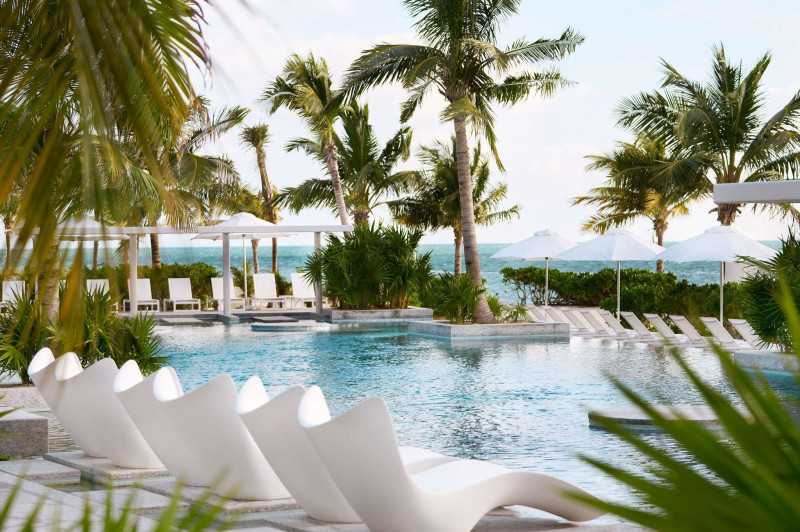
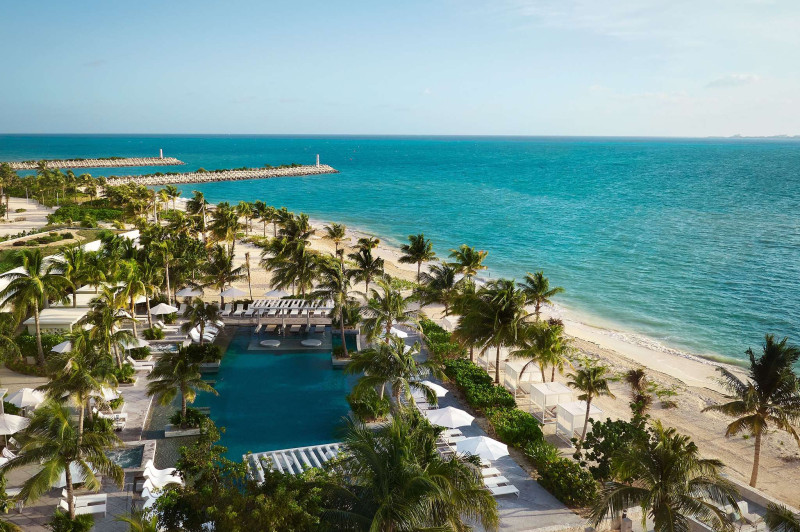
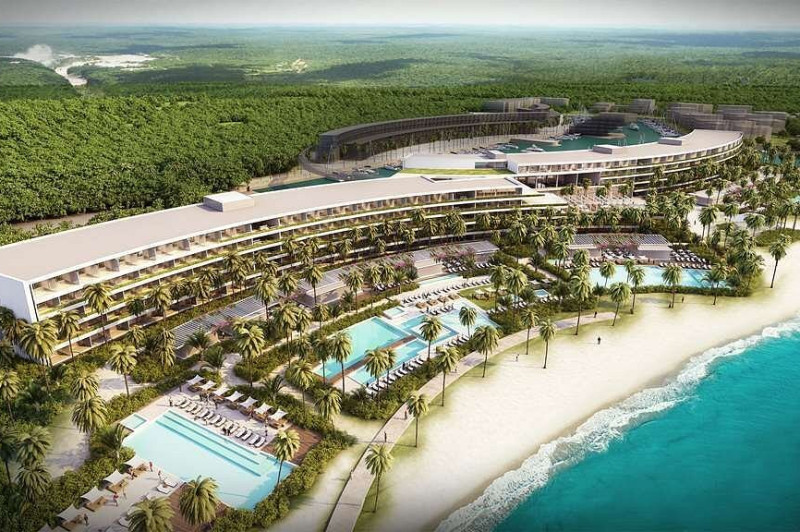
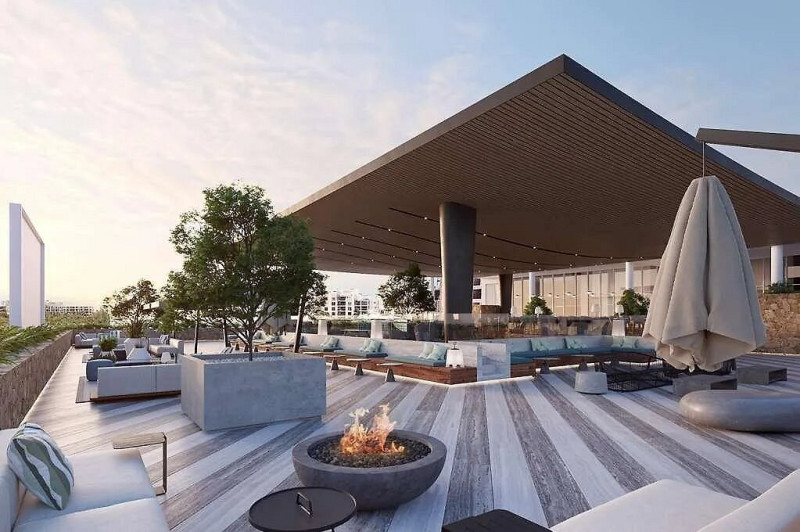
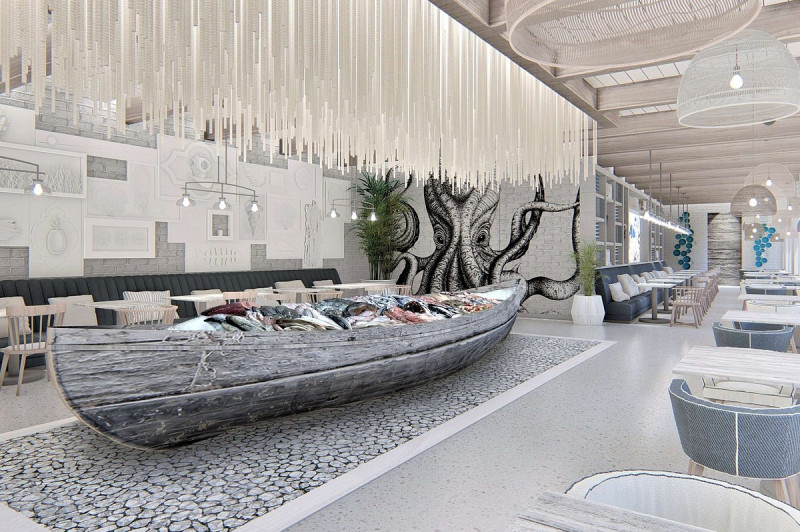
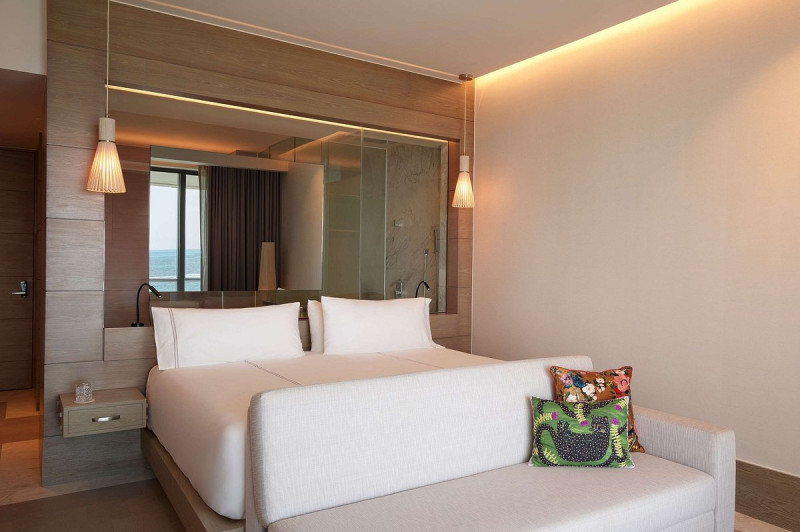
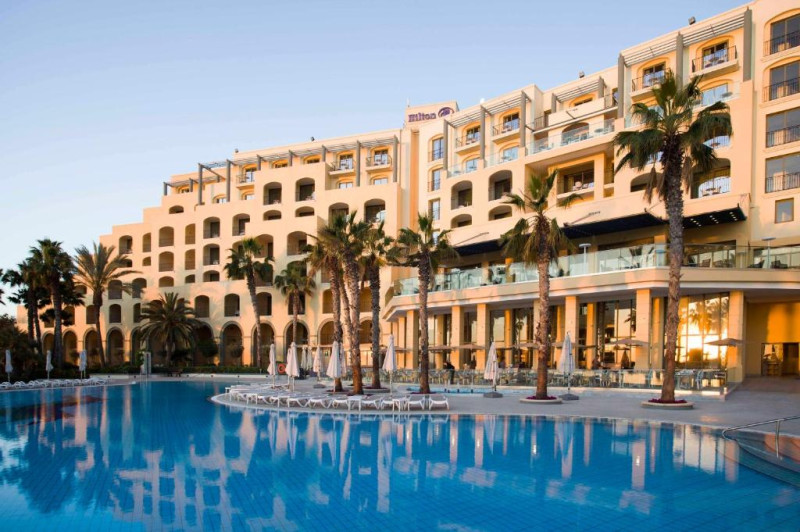
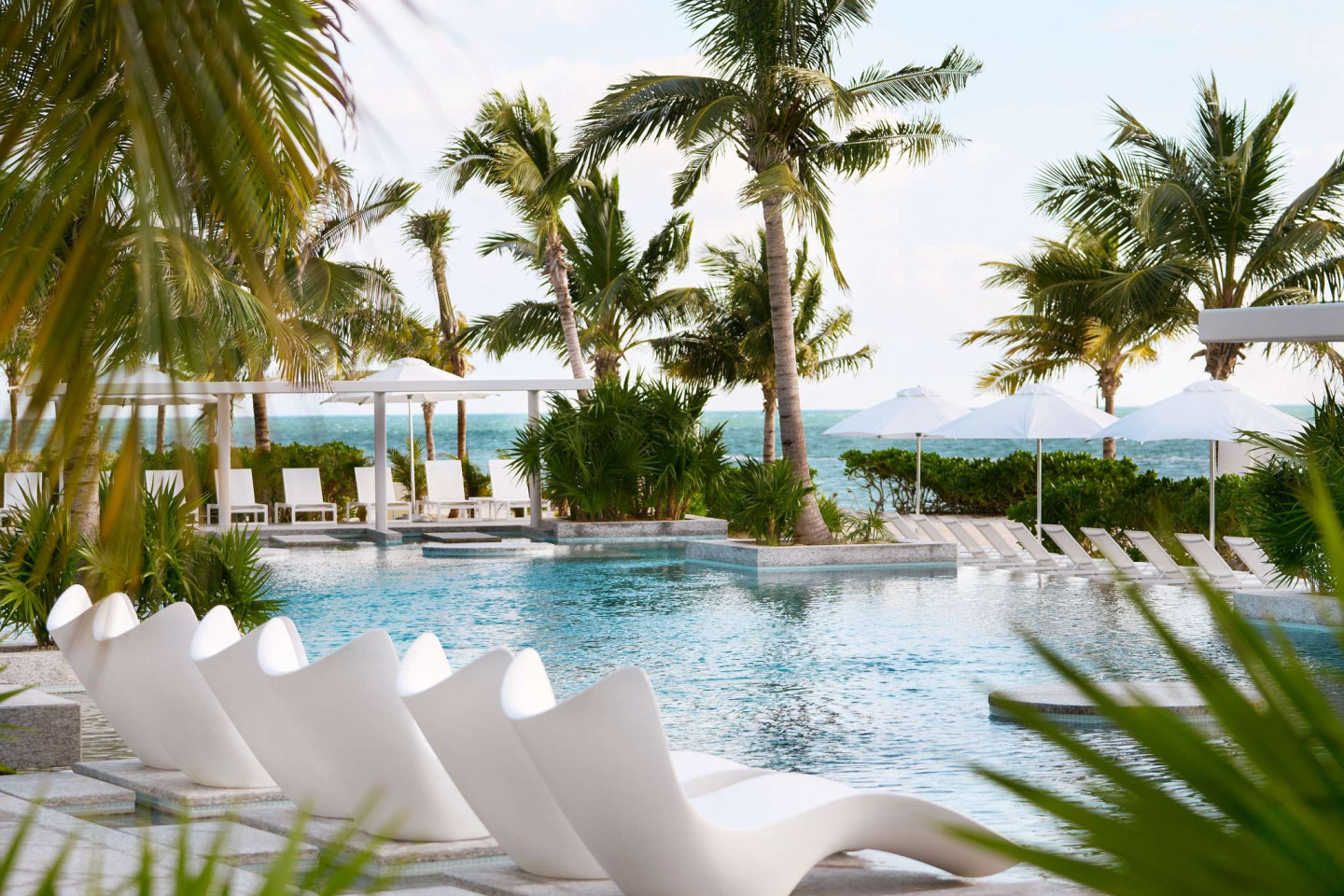
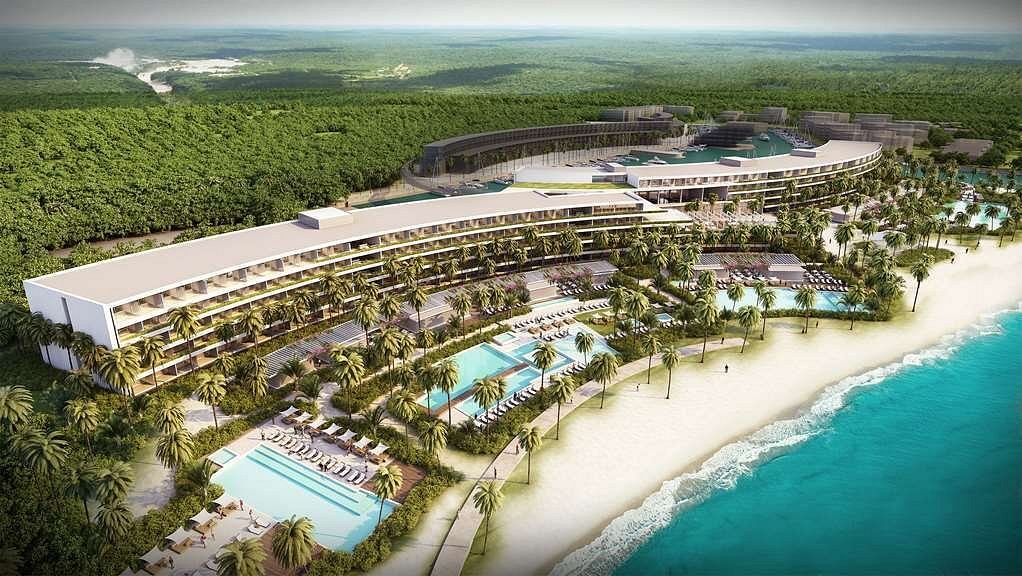
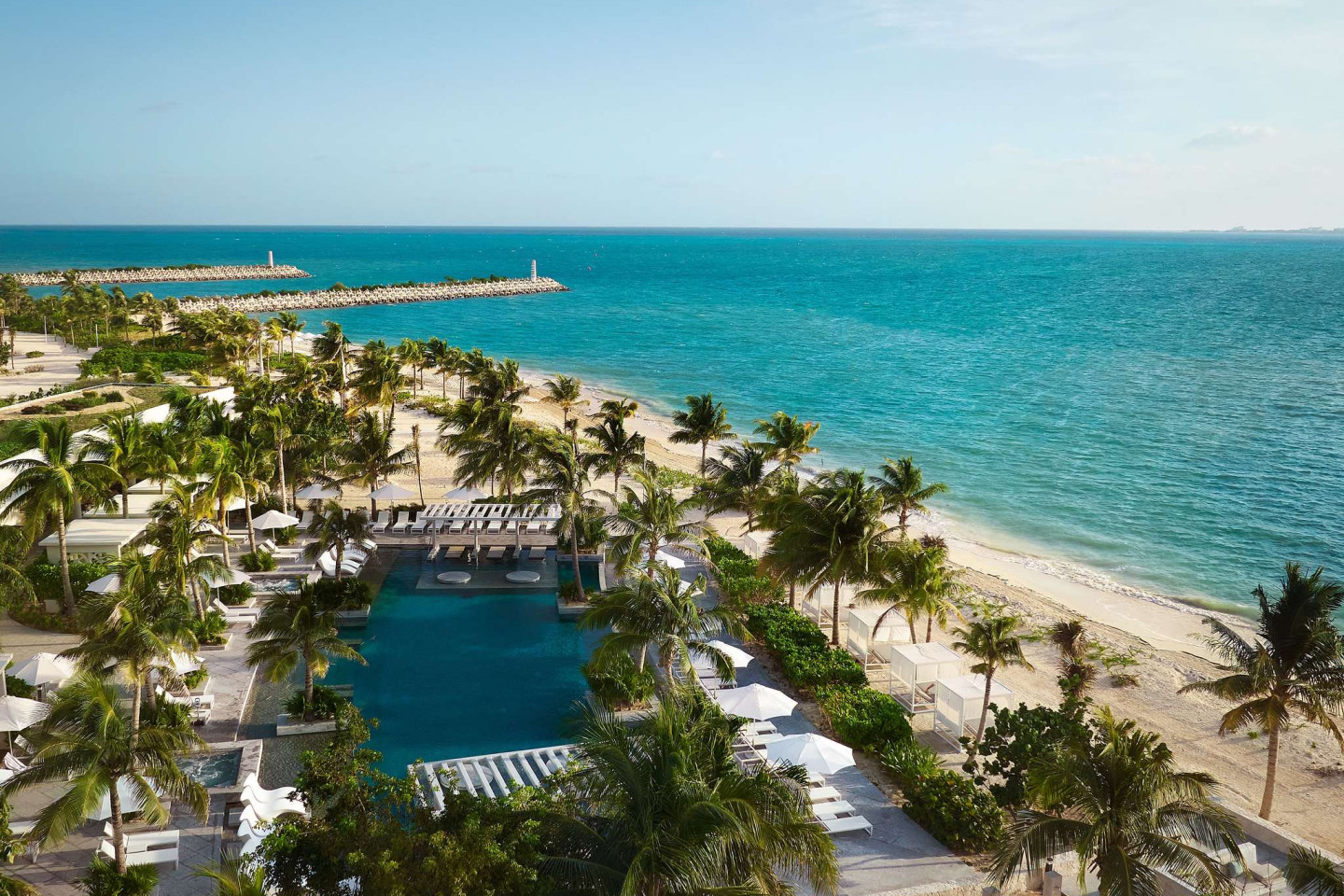
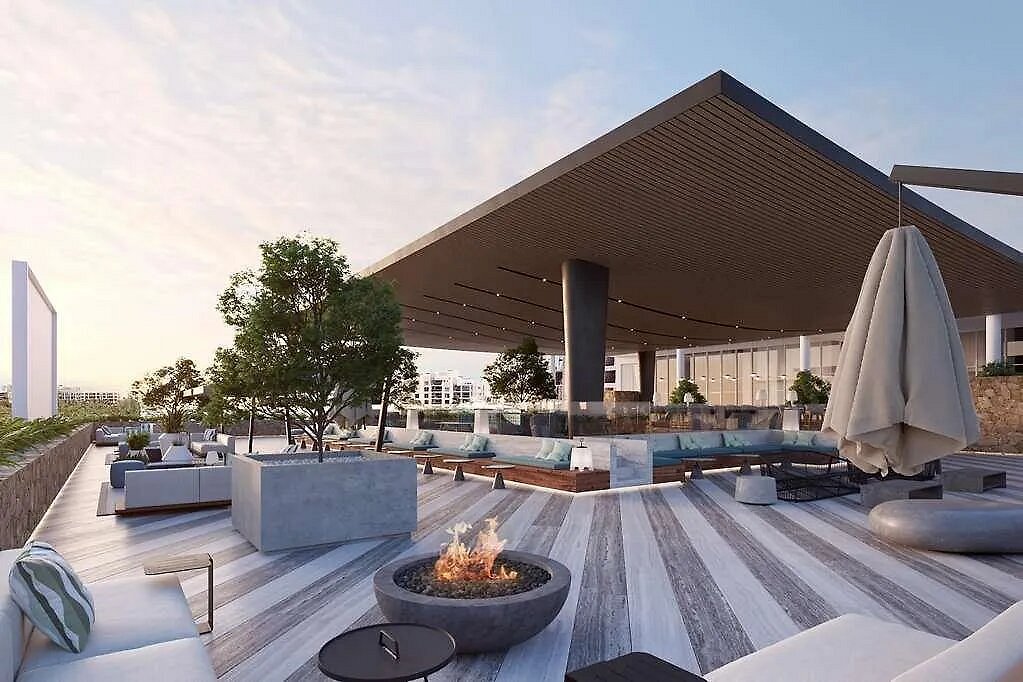
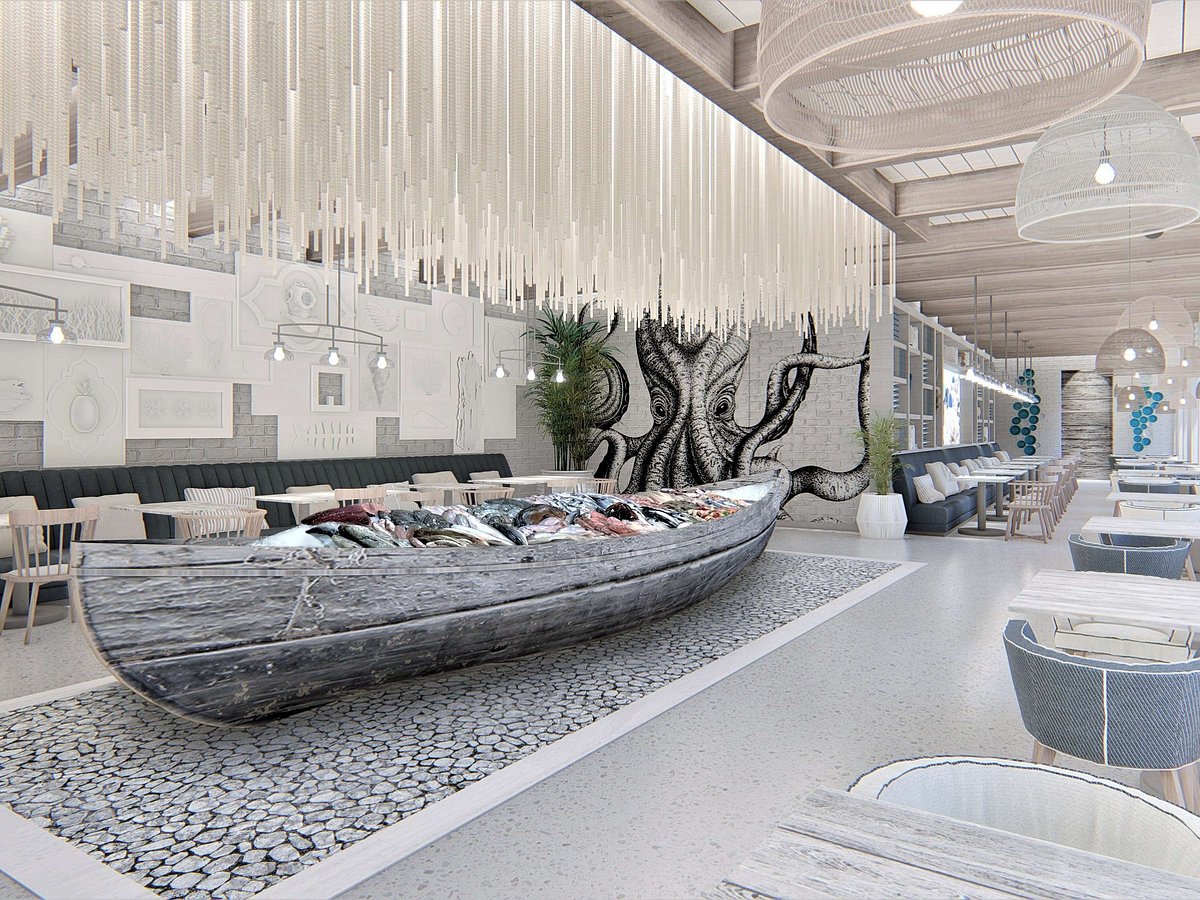
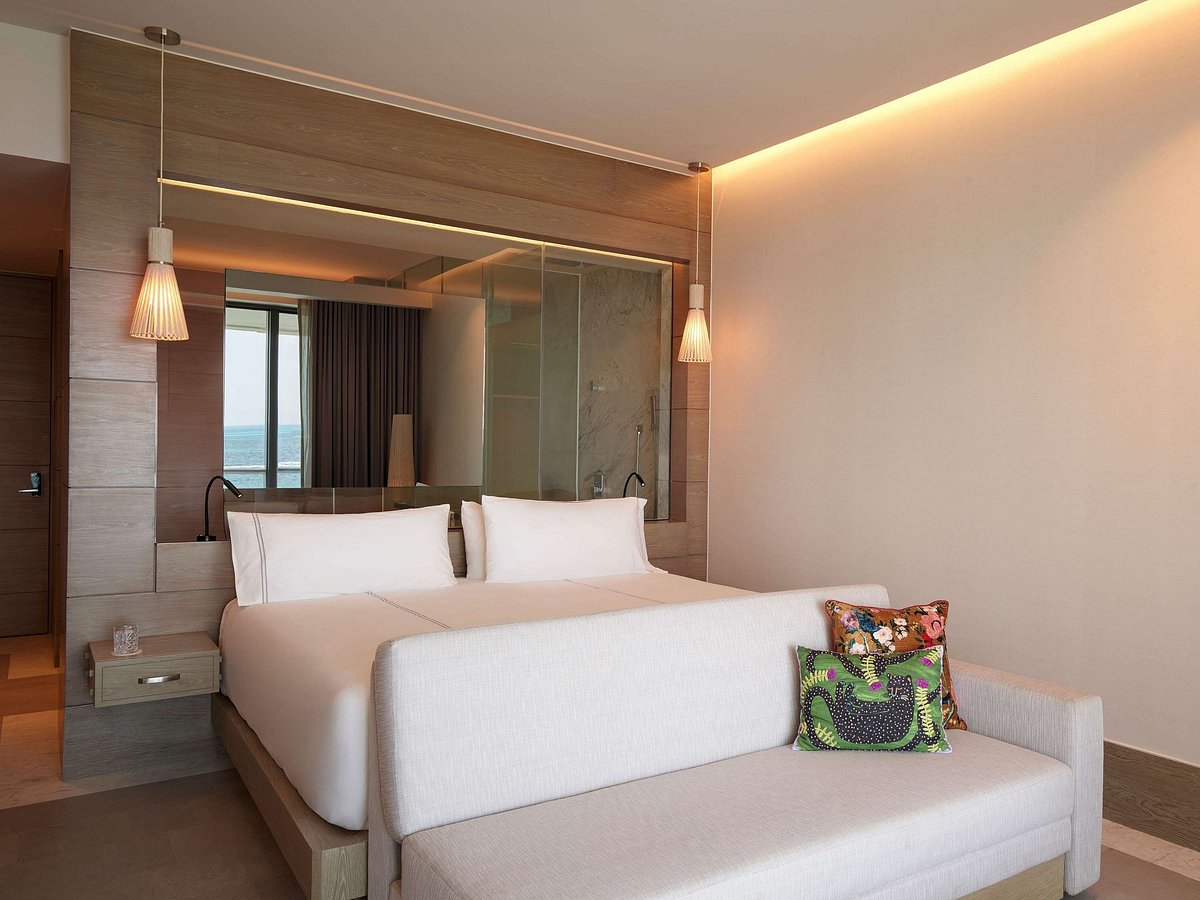
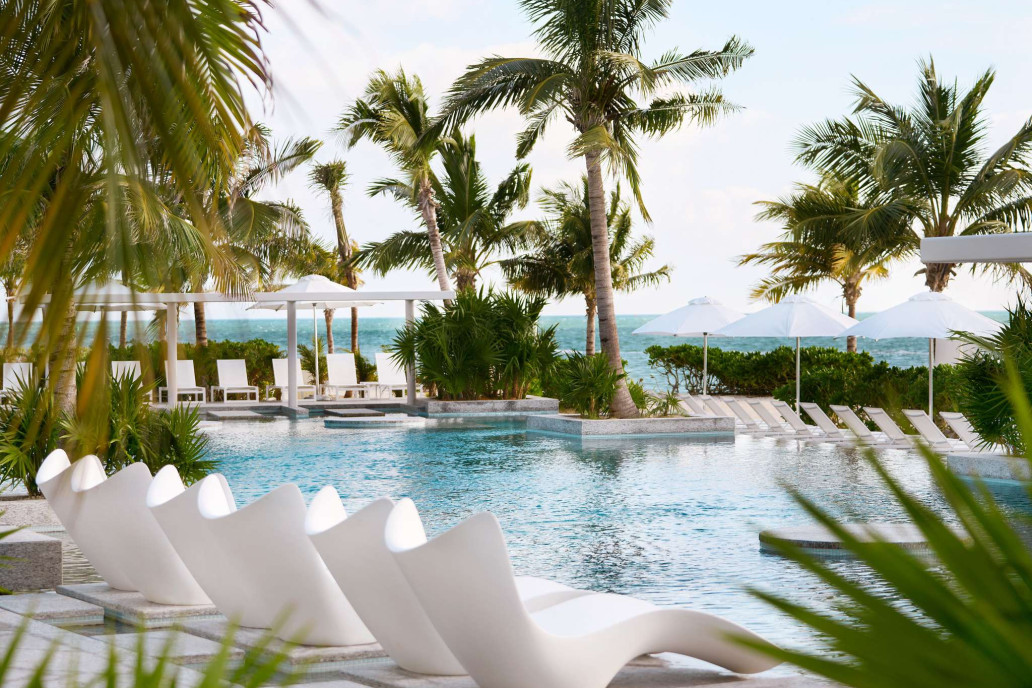
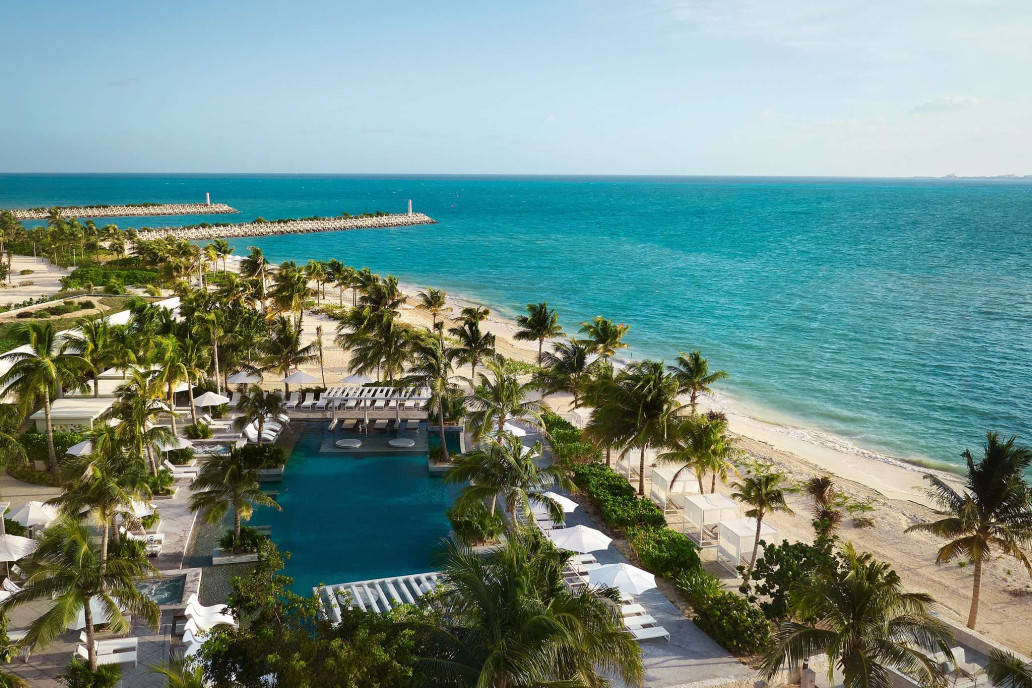
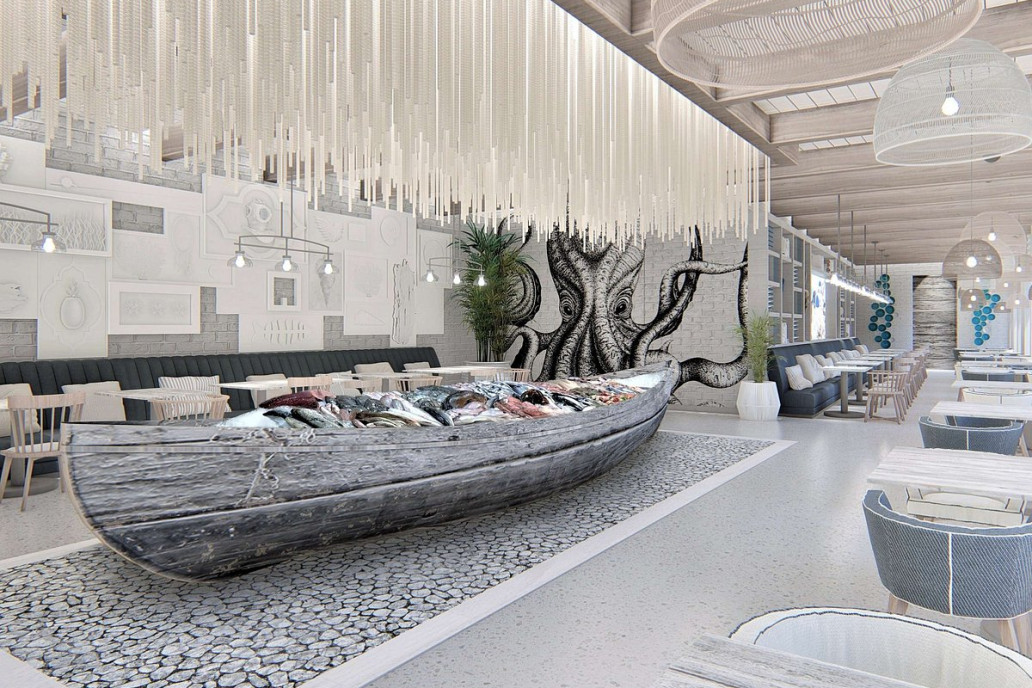
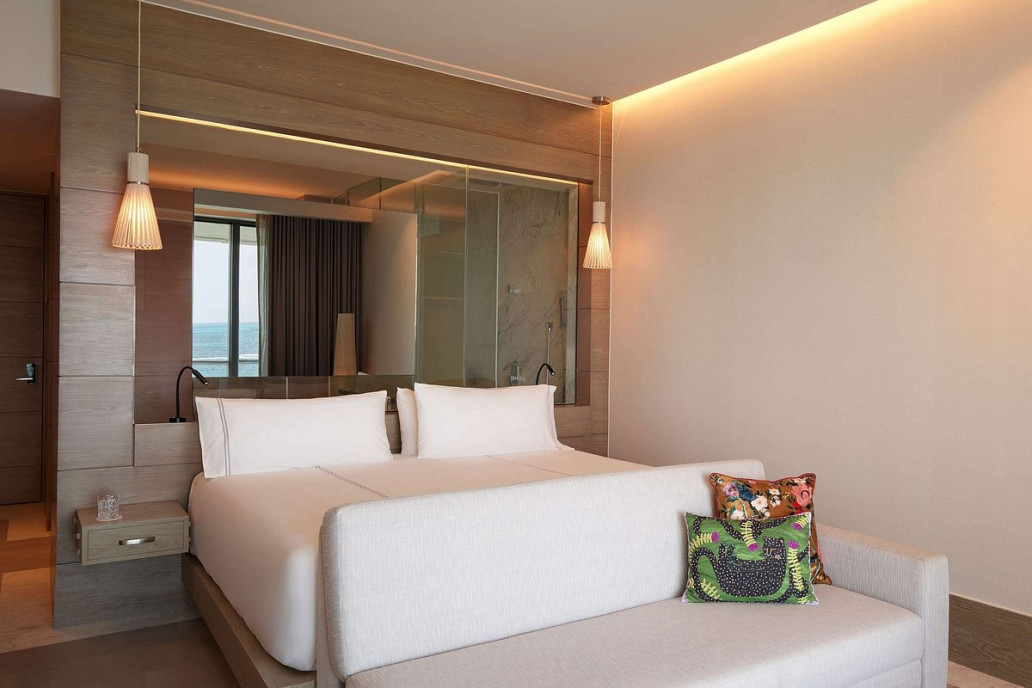
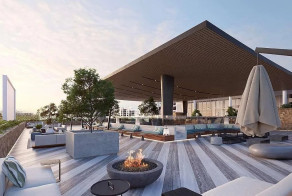
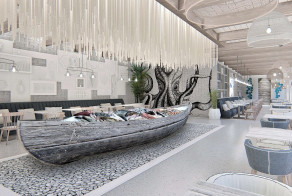
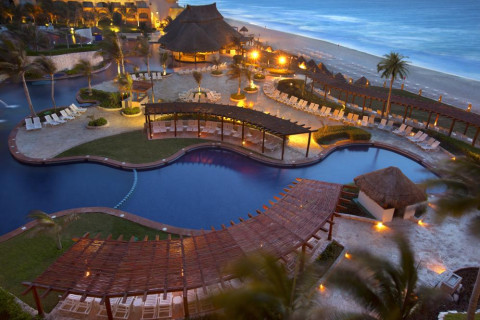
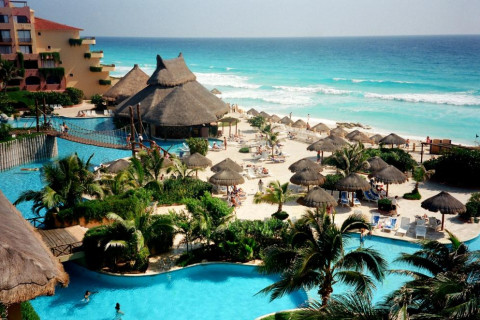
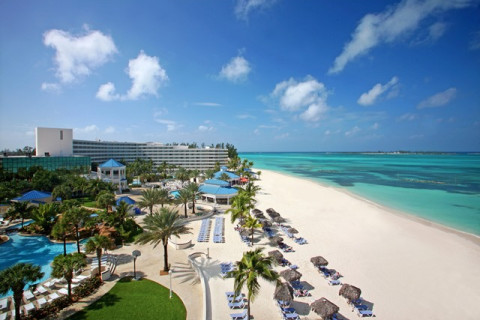
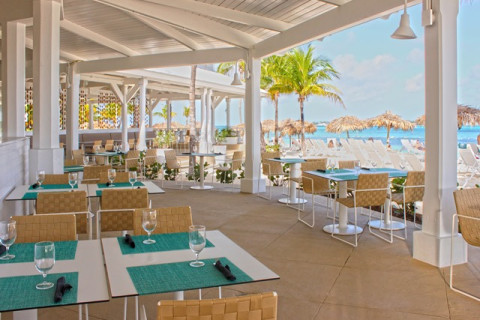
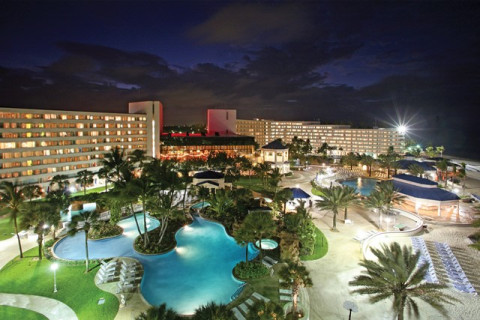
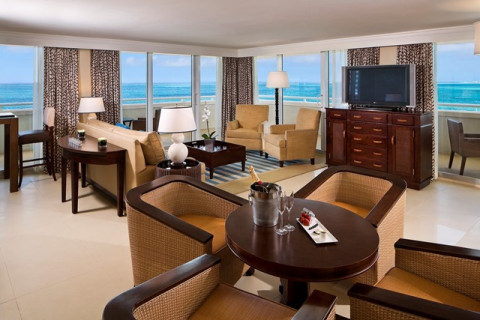
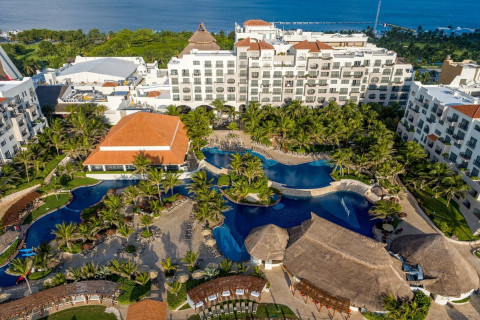
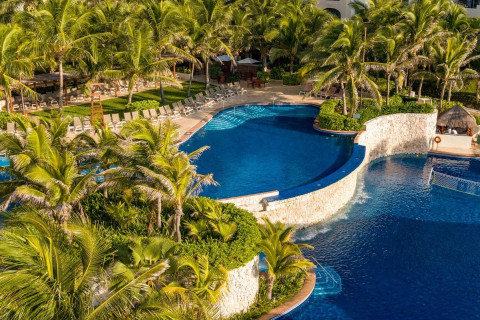
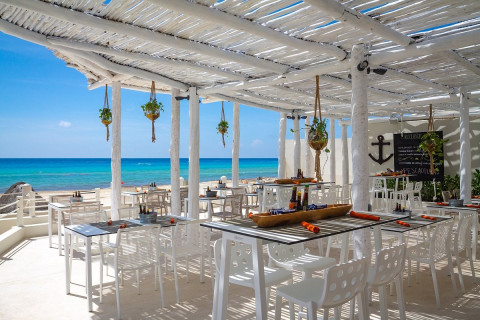
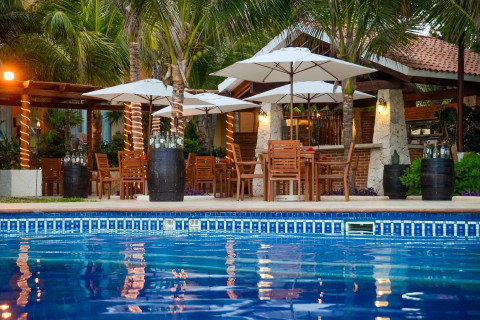
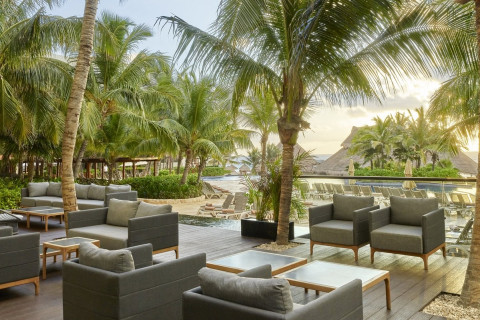
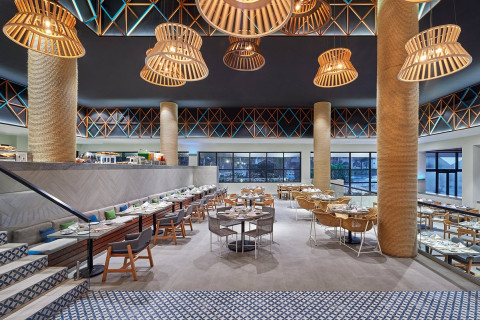
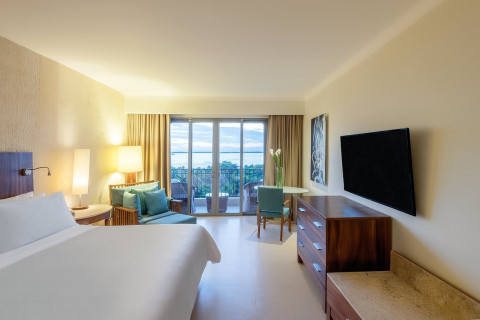
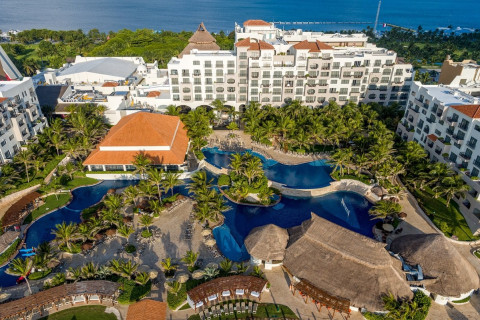
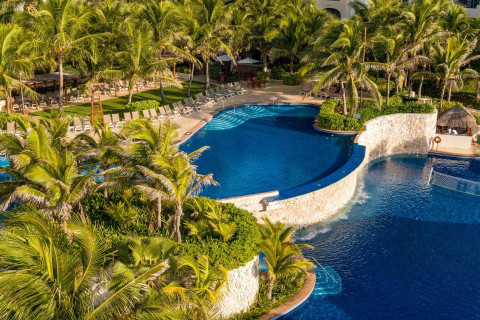
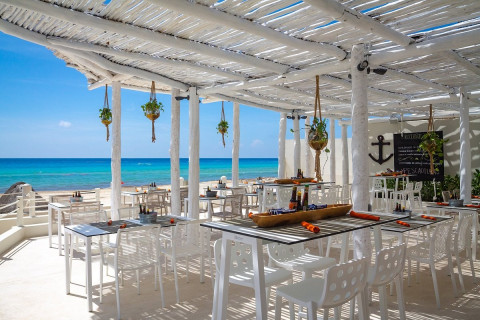
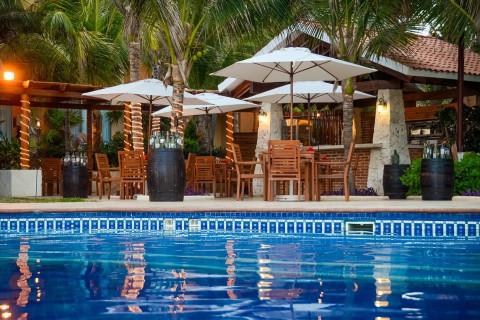
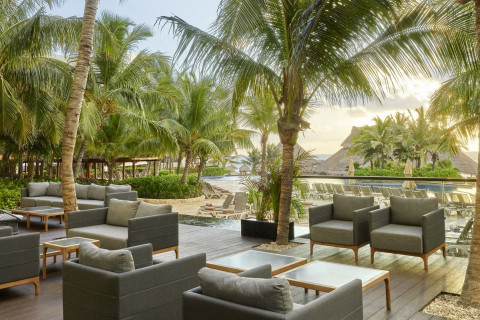
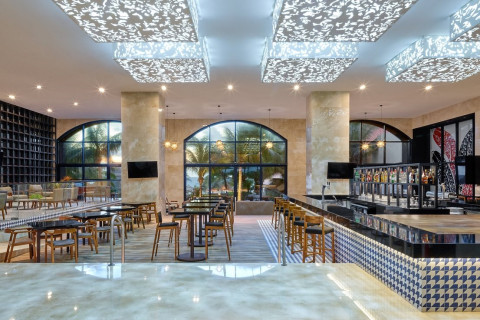
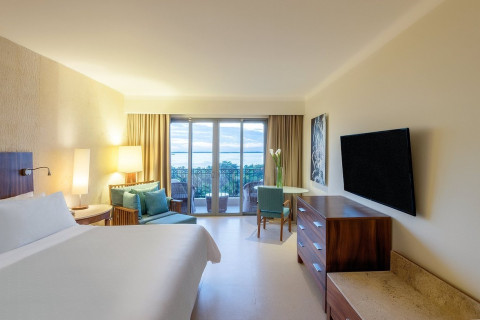
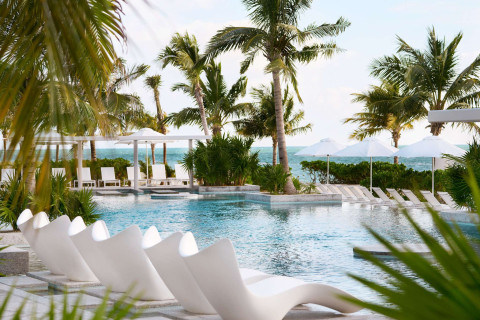
SLS Playa Mujeres is a luxury all-inclusive resort located in the beautiful Playa Mujeres area near Cancun, Mexico. The newly built hotel has a contemporary design and an upscale/chic atmosphere. The hotel features stylish and spacious accommodation, offering modern amenities and private balconies. Guests can enjoy a range of gourmet dining options, activities and facilities within the all-inclusive package including; 4 swimming pools, a secluded private beach, 18 bars/restaurants, 24 hour room service, kids and teens club, outdoor adventure course and splash zone, fitness centre, group fitness classes and non-motorized water sports.


General Information
Conference Currency
US Dollar (USD)
Address
Supermanzana 3 Manzana 1, 77400 Cancún, Quintana Roo, Mexico
Nearest Airport
Cancun International Airport
Hotel Facilities
18 restaurants/bars
4 swimming pools
Private beach
Water park
Non-motorized watersports
Daily resort activities
Kids/teens club
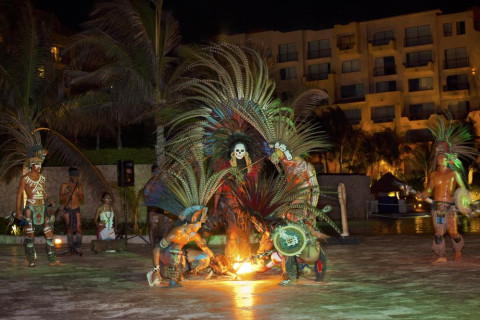
Nightly entertainment
24 hour room service
Fitness center
Location
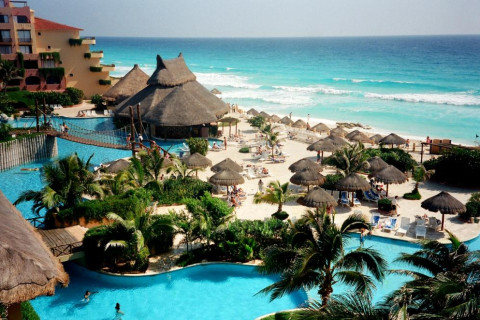
Mexico is a delightful combination of natural beauty, islands, ecological reserves and white sandy beaches. However, besides sun, sand and sea, this destination also offers an infinite variety of underwater activities to choose from: the diving, snorkelling and fishing here are outstanding and you will find an undersea world packed with tropical fish that live on the second largest barrier reef in the world. Sports enthusiasts might choose one of the many eco-tourism activities, such as cycling or hiking through the tropical forest or kayaking through mangroves, or something a little more adventuresome, like zip lining through the treetops.
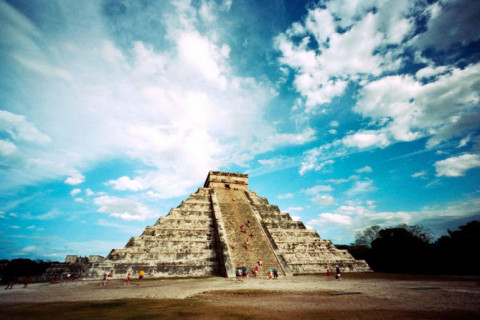
Apart from the more well-known ancient Mayan archealogical sites such as Tulum, Cobá and Chichén Itzá you may like to visit the Aktun Chen caverns, voted one of the Top 10 underwater walks by National Geographic described as a truly magical experience.
Conference History










If you are interested in this meeting but not yet ready to register, you can sign up for updates here and our team will keep you updated regarding deadline reminders and grant opportunities relating to this meeting only.
Silver Sponsors
Media Partners
Partner
If you're interested in sponsoring this conference please contact us.
Conference Manager

Felicity Harrap
Need some help? Chat to the Fusion team today
As a family run business, our dedication runs deep. We’re committed to each other and, even more so, to every attendee’s experience, delivering a level of care and passion that’s truly unmatched.